What to check before upgrading from a fuse box to breakers
Understanding the basics of your home's electrical service panel
Your home's electrical system relies on a central service panel to distribute power safely throughout the building. Older homes often still have a fuse box, which uses screw-in fuses that blow when a circuit is overloaded. While fuse boxes were standard for decades, modern circuit breaker panels offer greater convenience, better safety features, and easier resets. If you are considering an upgrade, there are several important factors to evaluate before moving forward.
Assess the condition of your current fuse box
The first step is to take a close look at your existing fuse box. Check for signs of corrosion, heat damage, or rust on the panel enclosure and bus bars. Fuse boxes that have been in service for many years may have degraded components that can compromise safety. If you notice discolored metal, melted insulation around wires, or a musty smell inside the panel, these are clear indicators that the equipment is past its prime. A qualified electrician can confirm whether the box itself is still sound or whether replacing an unsafe service panel is the right call.
Evaluate your home's electrical capacity needs
Modern homes draw far more power than houses built fifty or sixty years ago. Refrigerators, air conditioners, computers, home theaters, and kitchen appliances all add to the electrical load. Before upgrading your panel, you need to understand the electrical capacity your household actually requires. An electrician can perform a load calculation to determine whether your current service (the main wires coming into the home) can support a larger panel, or whether an upgrade to the service itself is needed. This step prevents the new breaker panel from being undersized from day one.
Check for code compliance and permit requirements
Electrical codes have evolved significantly over the decades. A panel replacement must meet current National Electrical Code (NEC) standards, which cover everything from proper grounding and bonding to arc-fault protection and tamper-resistant receptacles. Many local jurisdictions require a permit for panel upgrades, and an inspection afterward ensures the work is done safely. Attempting to swap a fuse box for breakers without the proper permits can create problems when you sell the home, and it may also void your homeowner's insurance. A licensed electrician will handle the permitting process and ensure the installation passes inspection.
Consider the physical space and panel location
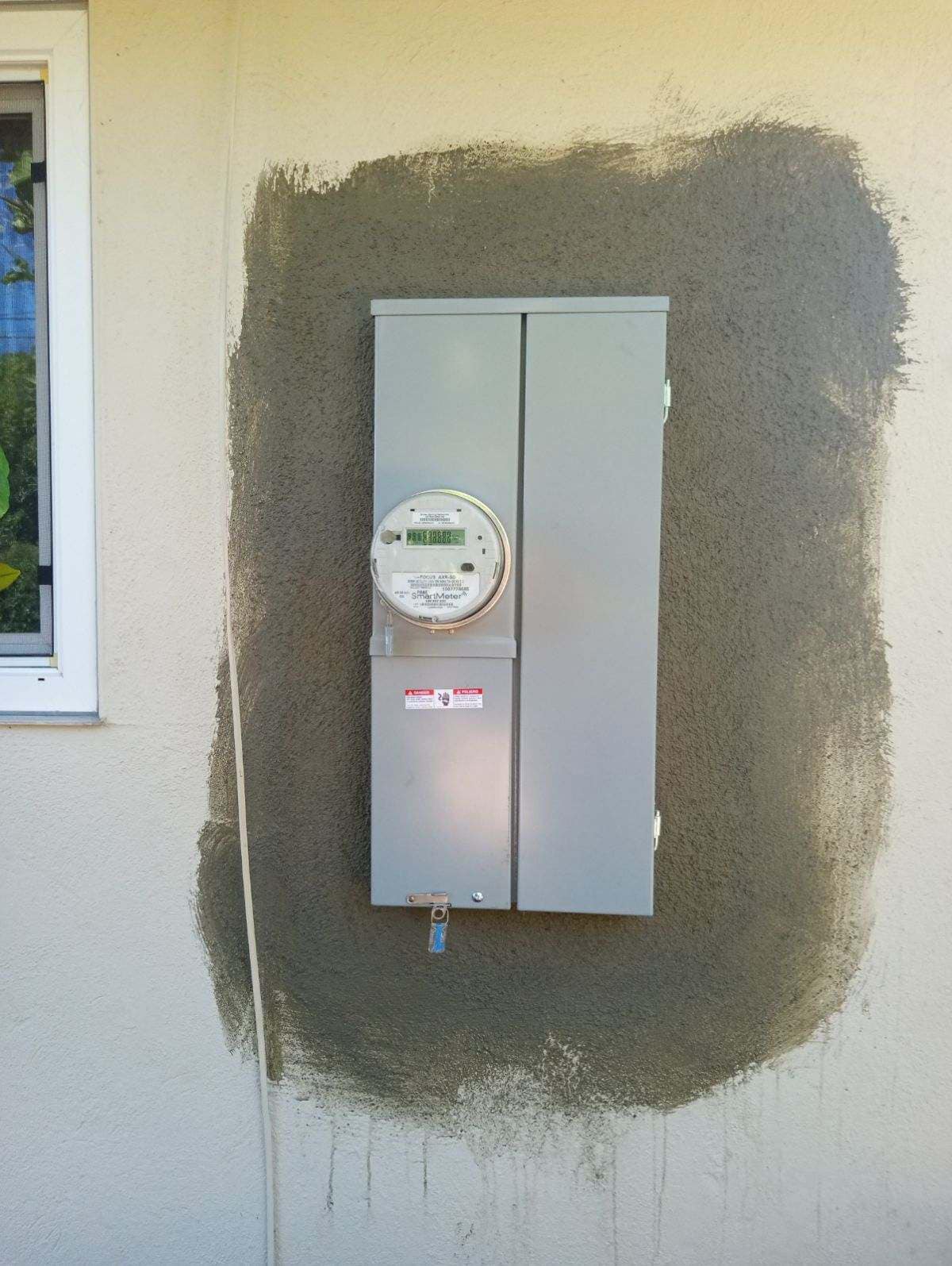
Fuse boxes were often mounted in basements, garages, or utility rooms, sometimes in tight or awkward spots. A modern breaker panel needs adequate clearance around it for safe operation and maintenance. The National Electrical Code requires at least 30 inches of clear working space in front of the panel and enough room to stand comfortably while accessing breakers. If your current fuse box is tucked behind a door, under a stairway, or in a cramped closet, the electrician may need to relocate the panel or modify the surrounding area to meet code. This is a good time to think about long-term convenience, too: a panel in a dry, accessible spot makes future repairs and additions much easier.
Look at the wiring and branch circuits
When you upgrade from fuses to breakers, the electrician will also examine the condition of the wiring connected to the panel. Old wiring may have cloth insulation that becomes brittle over time, or aluminum wiring that can pose a fire risk if not properly maintained. If the wiring is in poor shape, replacing an unsafe service panel may also require updating some of the branch circuits. This adds to the scope of the project but is essential for safety. The electrician can tell you which circuits need attention and whether the existing wire gauge is adequate for modern loads.
Understand the differences in overcurrent protection
Fuses and circuit breakers both protect wiring from overheating due to overloads or short circuits, but they work differently. A fuse is a one-time device: once it blows, you must replace it with a new one of the correct amperage. Breakers, on the other hand, can be reset after they trip. This convenience makes it easier to restore power after a nuisance trip, but it also means that a tripped breaker should always be investigated rather than simply reset without finding the cause. The transition from fuses to breakers also changes the way overcurrent protection coordinates with other devices in the system. An electrician will ensure that the new panel's breakers are properly sized and coordinated with the service entrance and downstream equipment.

Plan for future expansion and smart home integration
A panel upgrade is an opportunity to add capacity for future needs. If you plan to install an electric vehicle charger, a heat pump, a solar array, or a home battery system, the new panel should have enough spare breaker slots and adequate bus bar rating to accommodate those additions. Many modern panels also support tandem breakers or quad breakers that allow more circuits in the same space. Some homeowners prefer panels with a main breaker that can serve as a single disconnect, simplifying emergency shutoffs. Discussing your future plans with the electrician during the assessment phase helps avoid a second upgrade a few years down the road.
Budget for the full scope of work
Replacing a fuse box with a breaker panel involves more than just swapping the enclosure. The electrician will need to disconnect and reconnect every circuit, verify proper grounding and bonding, install new breakers, and test each circuit for correct operation. If the panel location must change or if wiring needs replacement, the cost increases accordingly. While no exact figures are given here, it is wise to get a detailed written estimate that covers materials, labor, permits, and any necessary remediation of existing issues. A thorough upfront assessment prevents surprises and ensures the job is done right.
Know when to call a professional
Working inside a live service panel is dangerous. The main service conductors carry enough current to cause severe injury or death. Even with the main disconnect turned off, there is often residual voltage or backfeed from other sources. Only a licensed electrician with experience in panel replacements should handle the physical work of swapping a fuse box for breakers. They have the training, tools, and knowledge to perform the job safely and in compliance with local codes. Homeowners can help by preparing the area, clearing access to the panel, and providing information about the home's electrical history, but the actual installation is best left to the pros.
Final check: verify the electrician's credentials
Before any work begins, confirm that the electrician you hire is licensed, insured, and familiar with local building codes. Ask for references from similar panel upgrade projects. A reputable contractor will walk you through the process, explain what to expect, and answer your questions clearly. Taking this extra step gives you confidence that the upgrade will be safe, reliable, and built to last.